

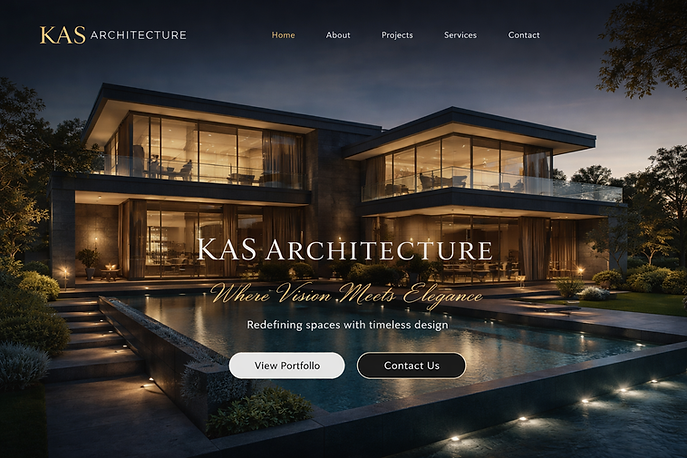
Innovative Commercial Building Designs for Modern Commercial Architecture India

In today’s fast-evolving business landscape, commercial spaces must do more than just house operations. They need to inspire, innovate, and integrate seamlessly with the environment and technology. As someone deeply involved in shaping modern commercial architecture India, I see firsthand how design trends are transforming the way businesses function and flourish. The right building design can elevate brand identity, boost employee productivity, and create memorable client experiences.
Embracing Modern Commercial Architecture India: Trends and Techniques
Modern commercial architecture India is characterized by a blend of sustainability, technology, and aesthetic appeal. Developers and architects in Chennai and Tamil Nadu are increasingly adopting innovative materials and smart design principles to create spaces that are both functional and visually striking.
Some key trends include:
Sustainable materials: Bamboo, recycled steel, and low-VOC paints reduce environmental impact.
Smart building systems: Automated lighting, HVAC, and security enhance efficiency.
Open floor plans: Encourage collaboration and flexibility.
Biophilic design: Incorporating natural elements like indoor gardens and water features.
Mixed-use spaces: Combining retail, office, and leisure areas for dynamic environments.
These elements come together to create buildings that are not only modern but also responsive to the needs of businesses and their employees.

The Role of Technology in Shaping Commercial Spaces
Technology is a game-changer in commercial building design. From the initial concept to the final construction, digital tools and smart systems streamline processes and enhance building performance.
Building Information Modeling (BIM) allows precise planning and collaboration among architects, engineers, and contractors.
IoT integration enables real-time monitoring of energy use, security, and maintenance needs.
Virtual and augmented reality help clients visualize spaces before construction begins.
Energy-efficient systems reduce operational costs and carbon footprints.
By leveraging these technologies, modern commercial architecture India delivers buildings that are future-ready and cost-effective.
What are the different types of commercial design?
Understanding the various types of commercial design helps in selecting the right approach for a project. Here are some common categories:
Office Buildings
Designed for productivity and comfort, these spaces often feature open layouts, ergonomic furniture, and collaborative zones.
Retail Spaces
Focused on customer experience, retail designs emphasize visibility, accessibility, and brand storytelling through architecture.
Hospitality and Leisure
Hotels, restaurants, and entertainment venues require designs that balance aesthetics with functionality and guest comfort.
Industrial and Warehousing
Prioritize efficiency, safety, and scalability, often incorporating modular designs and advanced logistics systems.
Mixed-Use Developments
Combine residential, commercial, and recreational spaces to create vibrant, self-sustaining communities.
Each type demands a tailored approach that aligns with the business goals and user expectations.

Practical Recommendations for Designing Innovative Commercial Buildings
When embarking on a commercial building project, consider these actionable tips to ensure innovation and success:
Prioritize sustainability: Use energy-efficient materials and systems to reduce long-term costs and environmental impact.
Incorporate flexibility: Design spaces that can adapt to changing business needs, such as movable walls or modular furniture.
Enhance natural light: Maximize daylight through strategic window placement and skylights to improve mood and reduce energy use.
Focus on user experience: Create welcoming entrances, clear signage, and comfortable communal areas.
Leverage local culture: Integrate regional architectural elements and materials to resonate with the community and environment.
Plan for technology integration: Ensure infrastructure supports current and future digital needs, including high-speed internet and smart controls.
By following these guidelines, developers can create commercial spaces that stand out and deliver lasting value.
The Future of Commercial Architecture in Chennai and Tamil Nadu
Looking ahead, the future of commercial architecture in Chennai and Tamil Nadu is bright and full of potential. As urbanisation accelerates, demand for innovative, sustainable, and smart commercial buildings will only grow. Firms like KAS Architecture are at the forefront, blending luxury with practicality to meet the evolving needs of businesses.
I believe the key to success lies in continuous innovation, client collaboration, and a deep understanding of local context. By embracing cutting-edge design principles and technologies, we can create commercial spaces that not only serve their purpose but also inspire and elevate the business community.
For those seeking to invest in or develop commercial properties, partnering with experts who understand the nuances of modern commercial architecture India is essential. Together, we can build the future of business environments in this vibrant region.
If you want to explore more about commercial building design and how it can transform your business space, feel free to reach out. The right design can make all the difference.


Comments